Buy wildlachs.eu ?
We are moving the project
wildlachs.eu .
Are you interested in purchasing the domain
wildlachs.eu ?
domain@kv-gmbh.de · 0541-91531010
Buy wildlachs.eu ?
What is the deontological perspective?
The deontological perspective is an ethical theory that focuses on the inherent rightness or wrongness of actions themselves, rather than the consequences of those actions. It is based on the idea that certain actions are morally obligatory regardless of their outcomes. Deontologists believe that individuals have a duty to follow certain moral rules or principles, such as honesty or respecting others' autonomy, regardless of the potential benefits or harms that may result. This perspective is often associated with philosophers like Immanuel Kant, who argued that moral principles are universal and apply to all rational beings. **
What is meant by deontological and teleological?
Deontological ethics is an ethical theory that focuses on the inherent rightness or wrongness of actions themselves, rather than the consequences of those actions. It emphasizes the importance of following moral rules and duties, regardless of the outcomes. On the other hand, teleological ethics, also known as consequentialism, is an ethical theory that evaluates the morality of actions based on their outcomes or consequences. It emphasizes the idea that the rightness or wrongness of an action is determined by the overall good or bad results it produces. In summary, deontological ethics focuses on the inherent nature of actions, while teleological ethics focuses on the outcomes of actions. **


Similar search terms for Deontological
Top-Angebote
Products related to Deontological:
-
Uplift Treasures 200ml Salmon Fish Oil Supplement For Dogs And Cats 200ml Salmon Fish Oil Supplement For Dogs And CatsProduct Description: Support your pets overall health with this natural salmon fish oil supplement packed with 21 omega fatty acids. Designed for dogs and cats, it helps promote healthy skin, a shiny coat, joint support, and immune health with an...105,97 $*Shipping: 0,00 $Secure redirect to the provider
-
Friendly Fresh Finds Luxury Men Chronograph Quartz Watch With Movement Salmon Dial salmonMake every moment count with a refined timepiece designed for men who appreciate classic style and precision. This luxury chronograph watch combines a striking sunburst salmon dial, reliable MIYOTA 0S11 movement, and elegant finishing for a...179,97 $*Shipping: 0,00 $Secure redirect to the provider
-
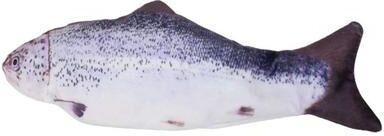
Uplifted Finds Interactive Flopping Electric Moving Fish Cat Toy salmonTap into your pets natural hunting instincts with the Interactive Flopping Electric Moving Fish Cat Toy. Designed to keep indoor cats, energetic kittens, and small dogs physically active and mentally sharp, this realistic mechanical toy acts like a...32,97 $*Shipping: 0,00 $Secure redirect to the provider
-
Inspired Finds Natural Salmon Fish Oil Supplement For Dogs & Cats With Omega Fatty Acids Natural Salmon Fish Oil Supplement For Dogs & Cats With Omega Fatty AcidsSupport your pets overall wellness with this nutrientrich salmon fish oil for pets formulated to help maintain healthy skin, a shiny coat, strong joints, and daily vitality. Packed with essential omega fatty acids, this easytouse liquid supplement...78,99 $*Shipping: 0,00 $Secure redirect to the provider



-
Does Kant's deontological ethics contradict Aristotle's eudaemonistic ethics?
Kant's deontological ethics and Aristotle's eudaemonistic ethics have some fundamental differences, but they do not necessarily contradict each other. Kant's ethics focus on duty and the intention behind actions, while Aristotle's ethics emphasize achieving eudaimonia, or human flourishing, through virtuous actions. While Kant's emphasis on duty can sometimes conflict with Aristotle's emphasis on virtue, both ethical theories ultimately aim to guide individuals towards leading a good and moral life. Therefore, while they may approach ethics from different perspectives, they can be seen as complementary rather than contradictory. **
-
What is the difference between deontological ethics and utilitarianism?
Deontological ethics is an ethical theory that focuses on the inherent rightness or wrongness of actions themselves, regardless of their consequences. It emphasizes the importance of following moral rules and duties, such as telling the truth or keeping promises, regardless of the outcomes. On the other hand, utilitarianism is a consequentialist ethical theory that evaluates the morality of actions based on their outcomes. It prioritizes maximizing overall happiness or well-being for the greatest number of people, often through the calculation of benefits and harms. In summary, deontological ethics emphasizes the inherent morality of actions, while utilitarianism focuses on the consequences of actions. **
-
Does discourse ethics have a teleological or deontological approach?
Discourse ethics is primarily associated with a deontological approach. It focuses on the principles of communication and interaction between individuals, emphasizing the importance of ethical norms and rules in guiding discourse. The goal is to ensure that communication is based on mutual respect, equality, and rationality, rather than aiming towards a specific outcome or goal. By prioritizing the ethical principles of communication, discourse ethics aims to create a fair and just dialogue among participants. **
-
Is deontological ethics exactly the same as the categorical imperative?
Deontological ethics is a broader ethical theory that states that actions are inherently right or wrong, regardless of their consequences. The categorical imperative, on the other hand, is a specific formulation within deontological ethics proposed by Immanuel Kant. While the categorical imperative is a key component of deontological ethics, deontological ethics encompasses a wider range of principles and theories beyond just the categorical imperative. **


What are the differences between deontological ethics and utilitarian ethics?
Deontological ethics, also known as duty-based ethics, focuses on the inherent rightness or wrongness of actions themselves, regardless of their consequences. It emphasizes following moral rules and duties, such as telling the truth or keeping promises, based on principles like the categorical imperative. On the other hand, utilitarian ethics, also known as consequentialist ethics, prioritizes the outcomes or consequences of actions. It aims to maximize overall happiness or well-being for the greatest number of people, often through the calculation of benefits and harms. While deontological ethics emphasizes duty and rules, utilitarian ethics prioritizes the greatest good for the greatest number. **
What is the difference between deontological ethics and utilitarian ethics?
Deontological ethics, also known as duty-based ethics, focuses on the inherent rightness or wrongness of actions themselves, regardless of their consequences. This means that certain actions are considered morally right or wrong based on whether they adhere to a set of rules or principles. On the other hand, utilitarian ethics, also known as consequentialist ethics, evaluates the morality of actions based on their outcomes or consequences. In utilitarianism, the rightness or wrongness of an action is determined by its ability to produce the greatest overall happiness or pleasure for the greatest number of people. **
Top-Angebote
Products related to Deontological:
-
Inspire Essentials PurePaws Salmon Fish Oil Supplement PurePaws Salmon Fish Oil SupplementSupport your pets everyday wellness with this premium salmon fish oil for dogs and cats designed to help promote healthier skin shinier coats and overall vitality. Packed with essential omega fatty acids, this natural nutritional supplement helps...65,98 $*Shipping: 0,00 $Secure redirect to the provider
-
Uplift Picks PureOmega Salmon Fish Oil Supplement For Dogs And Cats PureOmega Salmon Fish Oil Supplement For Dogs And CatsSupport your pets overall wellness with this nutrientrich salmon fish oil for pets formulated for both dogs and cats. Packed with 21 omega fatty acids, this natural supplement helps promote a shinier coat, healthier skin, and everyday vitality for...100,00 $*Shipping: 0,00 $Secure redirect to the provider
-
Uplift Treasures 200ml Salmon Fish Oil Supplement For Dogs And Cats 200ml Salmon Fish Oil Supplement For Dogs And CatsProduct Description: Support your pets overall health with this natural salmon fish oil supplement packed with 21 omega fatty acids. Designed for dogs and cats, it helps promote healthy skin, a shiny coat, joint support, and immune health with an...105,97 $*Shipping: 0,00 $Secure redirect to the provider
-
Friendly Fresh Finds Luxury Men Chronograph Quartz Watch With Movement Salmon Dial salmonMake every moment count with a refined timepiece designed for men who appreciate classic style and precision. This luxury chronograph watch combines a striking sunburst salmon dial, reliable MIYOTA 0S11 movement, and elegant finishing for a...179,97 $*Shipping: 0,00 $Secure redirect to the provider
-
What is the deontological perspective?
The deontological perspective is an ethical theory that focuses on the inherent rightness or wrongness of actions themselves, rather than the consequences of those actions. It is based on the idea that certain actions are morally obligatory regardless of their outcomes. Deontologists believe that individuals have a duty to follow certain moral rules or principles, such as honesty or respecting others' autonomy, regardless of the potential benefits or harms that may result. This perspective is often associated with philosophers like Immanuel Kant, who argued that moral principles are universal and apply to all rational beings. **
-
What is meant by deontological and teleological?
Deontological ethics is an ethical theory that focuses on the inherent rightness or wrongness of actions themselves, rather than the consequences of those actions. It emphasizes the importance of following moral rules and duties, regardless of the outcomes. On the other hand, teleological ethics, also known as consequentialism, is an ethical theory that evaluates the morality of actions based on their outcomes or consequences. It emphasizes the idea that the rightness or wrongness of an action is determined by the overall good or bad results it produces. In summary, deontological ethics focuses on the inherent nature of actions, while teleological ethics focuses on the outcomes of actions. **
-
Does Kant's deontological ethics contradict Aristotle's eudaemonistic ethics?
Kant's deontological ethics and Aristotle's eudaemonistic ethics have some fundamental differences, but they do not necessarily contradict each other. Kant's ethics focus on duty and the intention behind actions, while Aristotle's ethics emphasize achieving eudaimonia, or human flourishing, through virtuous actions. While Kant's emphasis on duty can sometimes conflict with Aristotle's emphasis on virtue, both ethical theories ultimately aim to guide individuals towards leading a good and moral life. Therefore, while they may approach ethics from different perspectives, they can be seen as complementary rather than contradictory. **
-
What is the difference between deontological ethics and utilitarianism?
Deontological ethics is an ethical theory that focuses on the inherent rightness or wrongness of actions themselves, regardless of their consequences. It emphasizes the importance of following moral rules and duties, such as telling the truth or keeping promises, regardless of the outcomes. On the other hand, utilitarianism is a consequentialist ethical theory that evaluates the morality of actions based on their outcomes. It prioritizes maximizing overall happiness or well-being for the greatest number of people, often through the calculation of benefits and harms. In summary, deontological ethics emphasizes the inherent morality of actions, while utilitarianism focuses on the consequences of actions. **
Similar search terms for Deontological
-
Uplifted Finds Interactive Flopping Electric Moving Fish Cat Toy salmonTap into your pets natural hunting instincts with the Interactive Flopping Electric Moving Fish Cat Toy. Designed to keep indoor cats, energetic kittens, and small dogs physically active and mentally sharp, this realistic mechanical toy acts like a...32,97 $*Shipping: 0,00 $Secure redirect to the provider
-
Inspired Finds Natural Salmon Fish Oil Supplement For Dogs & Cats With Omega Fatty Acids Natural Salmon Fish Oil Supplement For Dogs & Cats With Omega Fatty AcidsSupport your pets overall wellness with this nutrientrich salmon fish oil for pets formulated to help maintain healthy skin, a shiny coat, strong joints, and daily vitality. Packed with essential omega fatty acids, this easytouse liquid supplement...78,99 $*Shipping: 0,00 $Secure redirect to the provider
-
Uplift Treasures Portable USB Rechargeable Flopping Fish Interactive Pet Toy salmonProduct Description: Keep your furry friend entertained for hours with this realistic flopping fish toy. Designed to mimic the movement of a real fish, it encourages natural hunting and play instincts while providing fun exercise for cats, puppies,...43,97 $*Shipping: 0,00 $Secure redirect to the provider
-
Bronzhaus Swooping Eagle Catching Fish Hot Cast Wildlife Bronze Sculpture Statue FigurineCondition: This sculpture is in perfect condition Bronze Dimensions with Marble Base: Height 14 inches X Width 8 inches Marble Dimensions:3 inches X 3 inches Height without base:9 inches Weight:9 LBS Inventory:62Al2906226 Original or Reproduction:…288,49 $*Shipping: 0,00 $Secure redirect to the provider
-
Does discourse ethics have a teleological or deontological approach?
Discourse ethics is primarily associated with a deontological approach. It focuses on the principles of communication and interaction between individuals, emphasizing the importance of ethical norms and rules in guiding discourse. The goal is to ensure that communication is based on mutual respect, equality, and rationality, rather than aiming towards a specific outcome or goal. By prioritizing the ethical principles of communication, discourse ethics aims to create a fair and just dialogue among participants. **
-
Is deontological ethics exactly the same as the categorical imperative?
Deontological ethics is a broader ethical theory that states that actions are inherently right or wrong, regardless of their consequences. The categorical imperative, on the other hand, is a specific formulation within deontological ethics proposed by Immanuel Kant. While the categorical imperative is a key component of deontological ethics, deontological ethics encompasses a wider range of principles and theories beyond just the categorical imperative. **
-
What are the differences between deontological ethics and utilitarian ethics?
Deontological ethics, also known as duty-based ethics, focuses on the inherent rightness or wrongness of actions themselves, regardless of their consequences. It emphasizes following moral rules and duties, such as telling the truth or keeping promises, based on principles like the categorical imperative. On the other hand, utilitarian ethics, also known as consequentialist ethics, prioritizes the outcomes or consequences of actions. It aims to maximize overall happiness or well-being for the greatest number of people, often through the calculation of benefits and harms. While deontological ethics emphasizes duty and rules, utilitarian ethics prioritizes the greatest good for the greatest number. **
-
What is the difference between deontological ethics and utilitarian ethics?
Deontological ethics, also known as duty-based ethics, focuses on the inherent rightness or wrongness of actions themselves, regardless of their consequences. This means that certain actions are considered morally right or wrong based on whether they adhere to a set of rules or principles. On the other hand, utilitarian ethics, also known as consequentialist ethics, evaluates the morality of actions based on their outcomes or consequences. In utilitarianism, the rightness or wrongness of an action is determined by its ability to produce the greatest overall happiness or pleasure for the greatest number of people. **
* All prices are inclusive of VAT and, if applicable, plus shipping costs. The offer information is based on the details provided by the respective shop and is updated through automated processes. Real-time updates do not occur, so deviations can occur in individual cases. ** Note: Parts of this content were created by AI.