Buy wildlachs.eu ?
We are moving the project
wildlachs.eu .
Are you interested in purchasing the domain
wildlachs.eu ?
domain@kv-gmbh.de · 0541-91531010
Buy wildlachs.eu ?
What is the replication origin in DNA replication?
The replication origin is a specific sequence of DNA where the process of DNA replication begins. It is the site where the two strands of the DNA double helix are separated and the replication machinery is assembled. The replication origin is recognized by specific proteins that initiate the unwinding of the DNA and the synthesis of new DNA strands. Each DNA molecule has multiple replication origins to ensure that the entire genome is replicated efficiently. **
What is semiconservative replication?
Semiconservative replication is the process by which DNA is copied during cell division. In this process, the two strands of the DNA double helix separate, and each strand serves as a template for the synthesis of a new complementary strand. As a result, each new DNA molecule contains one original strand and one newly synthesized strand. This ensures that the genetic information is preserved and passed on to the next generation of cells. This process was first proposed by James Watson and Francis Crick in 1953. **
Similar search terms for Replication
Top-Angebote
Products related to Replication:
-
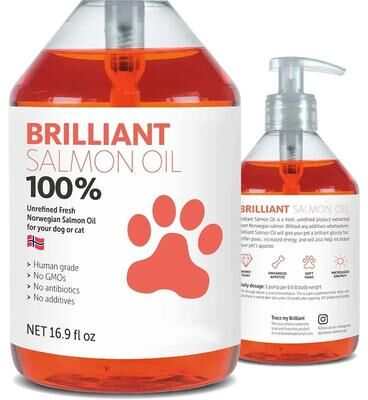
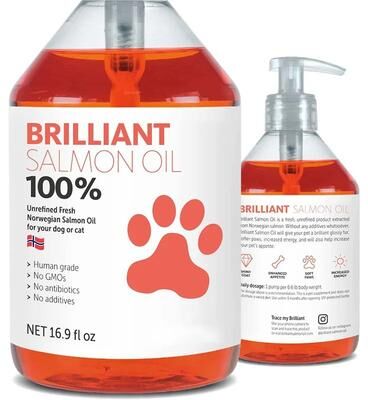
Uplift Picks PureOmega Salmon Fish Oil Supplement For Dogs And Cats PureOmega Salmon Fish Oil Supplement For Dogs And CatsSupport your pets overall wellness with this nutrientrich salmon fish oil for pets formulated for both dogs and cats. Packed with 21 omega fatty acids, this natural supplement helps promote a shinier coat, healthier skin, and everyday vitality for...100,00 $*Shipping: 0,00 $Secure redirect to the provider
-
Friendly Fresh Finds Luxury Men Chronograph Quartz Watch With Movement Salmon Dial salmonMake every moment count with a refined timepiece designed for men who appreciate classic style and precision. This luxury chronograph watch combines a striking sunburst salmon dial, reliable MIYOTA 0S11 movement, and elegant finishing for a...179,97 $*Shipping: 0,00 $Secure redirect to the provider
-
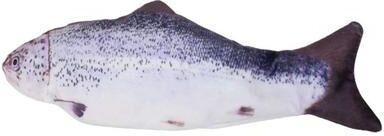
Uplifted Finds Interactive Flopping Electric Moving Fish Cat Toy salmonTap into your pets natural hunting instincts with the Interactive Flopping Electric Moving Fish Cat Toy. Designed to keep indoor cats, energetic kittens, and small dogs physically active and mentally sharp, this realistic mechanical toy acts like a...32,97 $*Shipping: 0,00 $Secure redirect to the provider
-
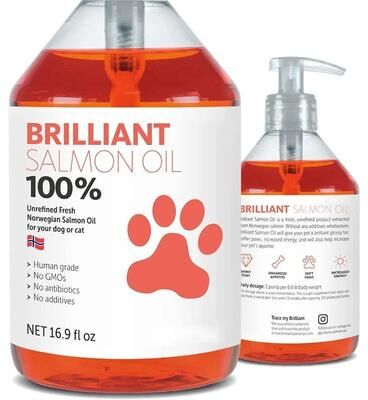
Inspired Finds Natural Salmon Fish Oil Supplement For Dogs & Cats With Omega Fatty Acids Natural Salmon Fish Oil Supplement For Dogs & Cats With Omega Fatty AcidsSupport your pets overall wellness with this nutrientrich salmon fish oil for pets formulated to help maintain healthy skin, a shiny coat, strong joints, and daily vitality. Packed with essential omega fatty acids, this easytouse liquid supplement...78,99 $*Shipping: 0,00 $Secure redirect to the provider


-
What is DNA replication?
DNA replication is the process by which a cell makes an identical copy of its DNA. This process is essential for cell division and the transmission of genetic information from one generation to the next. It involves the unwinding of the DNA double helix, the synthesis of new complementary strands using the existing strands as templates, and the proofreading and correction of any errors. DNA replication ensures that each new cell receives a complete and accurate set of genetic instructions. **
-
What is RNA self-replication?
RNA self-replication is a process where RNA molecules are able to catalyze their own replication without the need for external enzymes. This ability is crucial for the early evolution of life on Earth, as it is believed to be a key step in the transition from prebiotic chemistry to the emergence of life. RNA self-replication involves the RNA molecule acting as both a template and an enzyme, allowing it to make copies of itself. This process is a fundamental aspect of the RNA world hypothesis, which suggests that RNA played a central role in the origin of life. **
-
How does DNA replication occur?
DNA replication occurs in a semi-conservative manner, where the two strands of the double helix are separated and each strand serves as a template for the synthesis of a new complementary strand. The enzyme helicase unwinds the double helix, creating two single strands. DNA polymerase then adds new nucleotides to each single strand, following the base-pairing rules (A with T, and C with G). This results in two identical double-stranded DNA molecules, each containing one original strand and one newly synthesized strand. **
-
What is a replication bubble?
A replication bubble is a region of DNA where the double helix has been unwound and separated to allow for DNA replication to occur. It is formed by the action of helicase enzymes that unwind the DNA strands, creating two single-stranded templates for the replication process. The replication bubble expands as the replication machinery moves along the DNA, synthesizing new strands of DNA. Replication bubbles are a key feature of DNA replication and allow for the efficient and accurate copying of genetic information. **


Where does DNA replication occur?
DNA replication occurs in the nucleus of eukaryotic cells and in the cytoplasm of prokaryotic cells. In eukaryotic cells, DNA replication takes place during the S phase of the cell cycle, when the DNA is duplicated to ensure that each daughter cell receives a complete set of genetic information. The process involves the unwinding of the DNA double helix, the synthesis of new DNA strands using existing strands as templates, and the proofreading and correction of errors. Overall, DNA replication is a fundamental process that ensures the accurate transmission of genetic information from one generation to the next. **
How does semiconservative DNA replication occur?
Semiconservative DNA replication occurs in the following way: the double-stranded DNA molecule unwinds and separates into two strands. Each separated strand serves as a template for the synthesis of a new complementary strand. Enzymes called DNA polymerases add nucleotides to the new strands based on the complementary base pairing rules (A with T, C with G). As a result, two identical DNA molecules are produced, each consisting of one original strand and one newly synthesized strand. This process ensures that genetic information is faithfully passed on to daughter cells during cell division. **
Top-Angebote
Products related to Replication:
-
Inspire Essentials PurePaws Salmon Fish Oil Supplement PurePaws Salmon Fish Oil SupplementSupport your pets everyday wellness with this premium salmon fish oil for dogs and cats designed to help promote healthier skin shinier coats and overall vitality. Packed with essential omega fatty acids, this natural nutritional supplement helps...65,98 $*Shipping: 0,00 $Secure redirect to the provider
-
Uplift Treasures 200ml Salmon Fish Oil Supplement For Dogs And Cats 200ml Salmon Fish Oil Supplement For Dogs And CatsProduct Description: Support your pets overall health with this natural salmon fish oil supplement packed with 21 omega fatty acids. Designed for dogs and cats, it helps promote healthy skin, a shiny coat, joint support, and immune health with an...105,97 $*Shipping: 0,00 $Secure redirect to the provider
-
Uplift Picks PureOmega Salmon Fish Oil Supplement For Dogs And Cats PureOmega Salmon Fish Oil Supplement For Dogs And CatsSupport your pets overall wellness with this nutrientrich salmon fish oil for pets formulated for both dogs and cats. Packed with 21 omega fatty acids, this natural supplement helps promote a shinier coat, healthier skin, and everyday vitality for...100,00 $*Shipping: 0,00 $Secure redirect to the provider
-
Friendly Fresh Finds Luxury Men Chronograph Quartz Watch With Movement Salmon Dial salmonMake every moment count with a refined timepiece designed for men who appreciate classic style and precision. This luxury chronograph watch combines a striking sunburst salmon dial, reliable MIYOTA 0S11 movement, and elegant finishing for a...179,97 $*Shipping: 0,00 $Secure redirect to the provider
-
What is the replication origin in DNA replication?
The replication origin is a specific sequence of DNA where the process of DNA replication begins. It is the site where the two strands of the DNA double helix are separated and the replication machinery is assembled. The replication origin is recognized by specific proteins that initiate the unwinding of the DNA and the synthesis of new DNA strands. Each DNA molecule has multiple replication origins to ensure that the entire genome is replicated efficiently. **
-
What is semiconservative replication?
Semiconservative replication is the process by which DNA is copied during cell division. In this process, the two strands of the DNA double helix separate, and each strand serves as a template for the synthesis of a new complementary strand. As a result, each new DNA molecule contains one original strand and one newly synthesized strand. This ensures that the genetic information is preserved and passed on to the next generation of cells. This process was first proposed by James Watson and Francis Crick in 1953. **
-
What is DNA replication?
DNA replication is the process by which a cell makes an identical copy of its DNA. This process is essential for cell division and the transmission of genetic information from one generation to the next. It involves the unwinding of the DNA double helix, the synthesis of new complementary strands using the existing strands as templates, and the proofreading and correction of any errors. DNA replication ensures that each new cell receives a complete and accurate set of genetic instructions. **
-
What is RNA self-replication?
RNA self-replication is a process where RNA molecules are able to catalyze their own replication without the need for external enzymes. This ability is crucial for the early evolution of life on Earth, as it is believed to be a key step in the transition from prebiotic chemistry to the emergence of life. RNA self-replication involves the RNA molecule acting as both a template and an enzyme, allowing it to make copies of itself. This process is a fundamental aspect of the RNA world hypothesis, which suggests that RNA played a central role in the origin of life. **
Similar search terms for Replication
-
Uplifted Finds Interactive Flopping Electric Moving Fish Cat Toy salmonTap into your pets natural hunting instincts with the Interactive Flopping Electric Moving Fish Cat Toy. Designed to keep indoor cats, energetic kittens, and small dogs physically active and mentally sharp, this realistic mechanical toy acts like a...32,97 $*Shipping: 0,00 $Secure redirect to the provider
-
Inspired Finds Natural Salmon Fish Oil Supplement For Dogs & Cats With Omega Fatty Acids Natural Salmon Fish Oil Supplement For Dogs & Cats With Omega Fatty AcidsSupport your pets overall wellness with this nutrientrich salmon fish oil for pets formulated to help maintain healthy skin, a shiny coat, strong joints, and daily vitality. Packed with essential omega fatty acids, this easytouse liquid supplement...78,99 $*Shipping: 0,00 $Secure redirect to the provider
-
Uplift Treasures Portable USB Rechargeable Flopping Fish Interactive Pet Toy salmonProduct Description: Keep your furry friend entertained for hours with this realistic flopping fish toy. Designed to mimic the movement of a real fish, it encourages natural hunting and play instincts while providing fun exercise for cats, puppies,...43,97 $*Shipping: 0,00 $Secure redirect to the provider
-
Bronzhaus Swooping Eagle Catching Fish Hot Cast Wildlife Bronze Sculpture Statue FigurineCondition: This sculpture is in perfect condition Bronze Dimensions with Marble Base: Height 14 inches X Width 8 inches Marble Dimensions:3 inches X 3 inches Height without base:9 inches Weight:9 LBS Inventory:62Al2906226 Original or Reproduction:…288,49 $*Shipping: 0,00 $Secure redirect to the provider
-
How does DNA replication occur?
DNA replication occurs in a semi-conservative manner, where the two strands of the double helix are separated and each strand serves as a template for the synthesis of a new complementary strand. The enzyme helicase unwinds the double helix, creating two single strands. DNA polymerase then adds new nucleotides to each single strand, following the base-pairing rules (A with T, and C with G). This results in two identical double-stranded DNA molecules, each containing one original strand and one newly synthesized strand. **
-
What is a replication bubble?
A replication bubble is a region of DNA where the double helix has been unwound and separated to allow for DNA replication to occur. It is formed by the action of helicase enzymes that unwind the DNA strands, creating two single-stranded templates for the replication process. The replication bubble expands as the replication machinery moves along the DNA, synthesizing new strands of DNA. Replication bubbles are a key feature of DNA replication and allow for the efficient and accurate copying of genetic information. **
-
Where does DNA replication occur?
DNA replication occurs in the nucleus of eukaryotic cells and in the cytoplasm of prokaryotic cells. In eukaryotic cells, DNA replication takes place during the S phase of the cell cycle, when the DNA is duplicated to ensure that each daughter cell receives a complete set of genetic information. The process involves the unwinding of the DNA double helix, the synthesis of new DNA strands using existing strands as templates, and the proofreading and correction of errors. Overall, DNA replication is a fundamental process that ensures the accurate transmission of genetic information from one generation to the next. **
-
How does semiconservative DNA replication occur?
Semiconservative DNA replication occurs in the following way: the double-stranded DNA molecule unwinds and separates into two strands. Each separated strand serves as a template for the synthesis of a new complementary strand. Enzymes called DNA polymerases add nucleotides to the new strands based on the complementary base pairing rules (A with T, C with G). As a result, two identical DNA molecules are produced, each consisting of one original strand and one newly synthesized strand. This process ensures that genetic information is faithfully passed on to daughter cells during cell division. **
* All prices are inclusive of VAT and, if applicable, plus shipping costs. The offer information is based on the details provided by the respective shop and is updated through automated processes. Real-time updates do not occur, so deviations can occur in individual cases. ** Note: Parts of this content were created by AI.