Buy wildlachs.eu ?
We are moving the project
wildlachs.eu .
Are you interested in purchasing the domain
wildlachs.eu ?
domain@kv-gmbh.de · 0541-91531010
Buy wildlachs.eu ?
How to socialize fish with algae-eating fish?
To socialize fish with algae-eating fish, it is important to introduce them slowly to avoid any aggression. Start by adding the algae-eating fish to the tank first, allowing them to establish their territory. Then, gradually introduce the other fish, monitoring their behavior closely. Providing plenty of hiding spots and plants in the tank can also help reduce aggression and provide a more natural environment for all the fish to coexist peacefully. Additionally, make sure to provide a balanced diet for all the fish to ensure they are getting the nutrients they need. **
Which algae taste like seafood or fish?
Certain types of seaweed, such as dulse and nori, are known for their seafood-like flavor. Dulse has a salty, umami taste similar to bacon, while nori has a savory, slightly sweet flavor that is often associated with sushi. These algae are popular in plant-based diets as a seafood alternative due to their rich, oceanic taste. **
Similar search terms for Algae
Top-Angebote
Products related to Algae:
-
Inspire Curations Aquarium Algae Control Solution For Clearer Fish Tank Water 300mlKeep your aquarium looking cleaner and more enjoyable with this aquarium algae remover designed to help manage unwanted algae growth. Formulated for use in fish tanks and aquariums, this water treatment supports a cleaner appearance by reducing...90,00 $*Shipping: 0,00 $Secure redirect to the provider
-
All Categories Goods Magnetic Glass Cleaner, Aquarium Fish Tank Algae Brush Scrubber lEfficient Cleaning for Your Aquarium The 1 pc of Aquarium Fish Tank Floating Magnetic Glass Cleaner is designed to simplify your aquarium maintenance. This easytouse tool effectively removes algae and dirt from the glass, ensuring clear and pristine...49,97 $*Shipping: 0,00 $Secure redirect to the provider
-
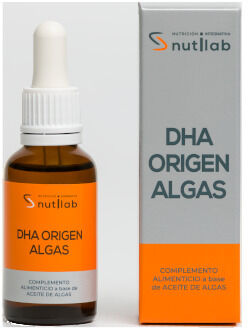
Nutilab Dha Algae 30 mlNutrition and Supplements Fatty acids and omegas Nutilab Dha Algae 30 ml A food supplement based on oil of algae Schizochytrium sp. Nutilab's algae oil has undergone a strict purification process to achieve an optimum quality standard. Properties: Docosahexaenoic acid helps to maintain normal brain function, vision, heart, normal blood triglyceride concentrations, maintenance of normal blood pressure, normal brain development of the fetus and breastfed infants, normal visual development of children up to 12 months of age. Instructions for use: *One (1) to four (4) ml per day, preferably during meals, or on the recommendation of a professional Precautions: *People being treated with anticoagulants (Sintrom) should use caution when consuming Omega 3 It is advisable to consult a specialist.21,82 £*Shipping: 3,99 £Secure redirect to the provider
-
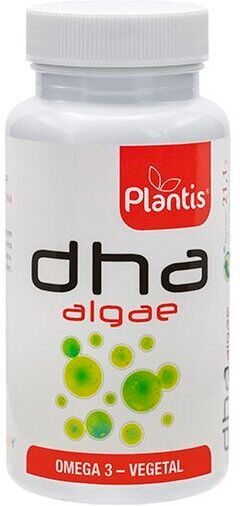
Plantis DHA Algae 30 CapsulesNutrition and Supplements Fatty acids and omegas Plantis DHA Algae 30 Capsules What is Plantis DHA Algae 30 Capsules? Plantis DHA Algae 30 Capsules is an innovative food supplement that offers a plant source of docosahexaenoic acid (DHA), extracted from algae. Each capsule is formulated to provide a high concentration of DHA, a type of omega-3 fatty acid essential for optimal brain, vision and heart function. This product is designed to be a sustainable, contaminant-free alternative to fish-derived DHA sources, making it ideal for vegans, vegetarians, or anyone looking to avoid seafood. Presented in a container with 30 capsules, Plantis DHA Algae is perfect for a monthly supply. Benefits: Cognitive support: Promotes brain function, improving memory and concentration. Visual health: Contributes to maintaining eye health and preventing visual deterioration. Cardiovascular health: Helps maintain healthy cholesterol levels and supports heart function. Sustainable and safe: A source of DHA free of contaminants and friendly to the environment. Suitable for special diets: Ideal for vegans, vegetarians and people looking for alternatives to fish oil. For whom it is? Plantis DHA Algae 30 Capsules is suitable for adults of all ages seeking to improve their cognitive, visual and cardiovascular well-being. It is especially recommended for vegans, vegetarians and people with dietary restrictions who avoid the consumption of fish products, but still want to obtain the benefits of omega-3 fatty acids. How do I apply it? To make the most of the benefits of Plantis DHA Algae 30 Capsules , it is recommended to take one capsule a day with water, preferably with a meal. Do not exceed the recommended daily dose. Consult a healthcare professional before starting any dietary supplement, especially if you are pregnant, nursing, have any pre-existing medical conditions, or are taking medications. Buy Plantis DHA Algae 30 Capsules Plantis DHA Algae 30 Capsules is your perfect ally for a healthy lifestyle, providing a pure and sustainable source of DHA. With benefits for your brain, eyes, and heart, this supplement is a great addition to your daily wellness regimen. Get your container today and start enjoying the benefits of a plant-based omega-3, without compromising your diet or the environment. Improve your brain and visual health with Plantis DHA Algae, omega-3 from algae. Ideal for vegans!14,35 £*Shipping: 3,99 £Secure redirect to the provider


-
How do fish transfer blue-green algae?
Fish can transfer blue-green algae through their consumption of contaminated water. When fish consume water that contains blue-green algae, they can accumulate the toxins produced by the algae in their tissues. This can then be transferred to other organisms that consume the fish, leading to potential health risks for those higher up in the food chain. Additionally, fish can also spread blue-green algae by excreting the algae or its toxins back into the water, further contaminating the environment. **
-
How do you socialize fish with algae-eating fish?
When socializing fish with algae-eating fish, it's important to choose species that are compatible in terms of size, temperament, and water parameters. Introduce the fish to the tank gradually, allowing them to acclimate to their new environment and each other. Providing plenty of hiding spots and visual barriers can help reduce aggression and stress during the socialization process. Additionally, ensuring that there is enough algae and other natural food sources in the tank can help prevent competition for food among the fish. Regular monitoring of the fish's behavior and health is important to ensure that they are getting along and thriving in their shared environment. **
-
What types of algae eaters are there in fish?
There are several types of algae eaters in the fish world, including plecos, otocinclus catfish, Siamese algae eaters, and certain species of snails and shrimp. Plecos are known for their ability to consume large amounts of algae and are popular in freshwater aquariums. Otocinclus catfish are small, peaceful fish that are also effective at consuming algae. Siamese algae eaters are another popular choice for controlling algae in aquariums. Additionally, certain species of snails and shrimp, such as nerite snails and Amano shrimp, are also known for their algae-eating abilities. **
-
What are algae?
Algae are a diverse group of photosynthetic organisms that can be found in various aquatic environments such as oceans, lakes, and rivers. They can range in size from microscopic single-celled organisms to large multicellular seaweeds. Algae play a crucial role in the ecosystem as they are primary producers, converting sunlight into energy through photosynthesis. Additionally, algae are an important food source for many aquatic organisms and are also used by humans in various industries such as food, pharmaceuticals, and biofuels. **

Are algae prokaryotes?
No, algae are not prokaryotes. Algae are a diverse group of photosynthetic organisms that can be found in various environments, including freshwater and marine habitats. They are eukaryotic organisms, meaning they have a true nucleus and other membrane-bound organelles within their cells. This distinguishes them from prokaryotes, which lack a true nucleus and membrane-bound organelles. **
Are shells algae?
Shells are not algae. Shells are the hard outer coverings of certain animals, such as mollusks, that are made of calcium carbonate. Algae, on the other hand, are a diverse group of photosynthetic organisms that can range from single-celled to multicellular forms. Algae are not animals and do not produce shells. **
Top-Angebote
Products related to Algae:
-
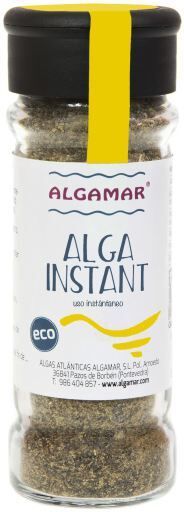
Algamar Instant AlgaeNutrition and Supplements Sauces and Condiments Algamar Instant Algae Powdered Algae Seasoning for instant use. Easy, nutritious and tasty. No added salt. Spaghetti Seaweed and spices. The Sea Spaghetti seaweed is very rich in mineral salts, especially iron. How can we consume it? - Sprinkle half a teaspoon of "Alga Instant" on the rice dish, salad, soup, vegetables, stews, potatoes3,54 £*Shipping: 3,99 £Secure redirect to the provider
-
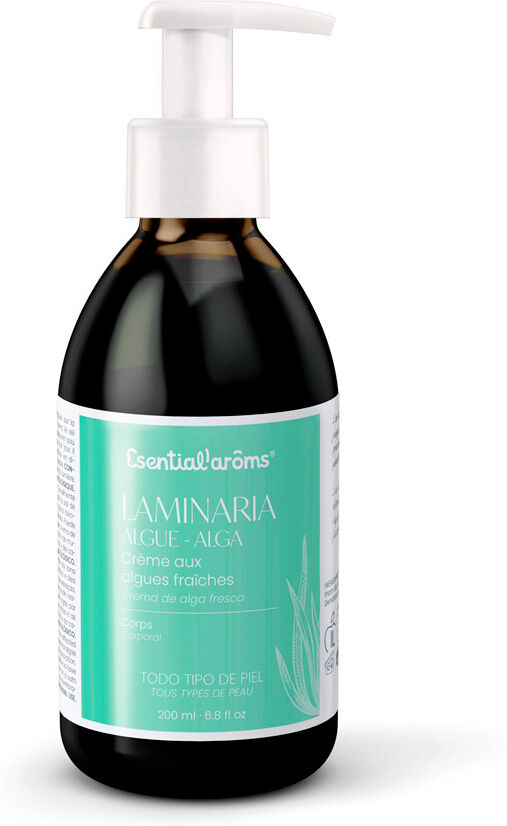
Esential'arôms Algae Cream 200GHealth and Beauty Creams Esential'arôms Algae Cream 200G LA LAMINARIA is a seaweed that has a high richness in Alginates, minerals and oligoelements. Its content in alginates provides highly moisturizing properties in addition to being remineralizing. It can be used in all reducing and reactive treatments. Properties and Indications: Stimulates the elimination of fat and hydro-lipid retention. Remineralizing highly moisturizing tensor recommended in: CELLULITE, LIQUID RETENTION, FLACIDEZ.10,19 £*Shipping: 3,99 £Secure redirect to the provider
-
Inspire Curations Aquarium Algae Control Solution For Clearer Fish Tank Water 300mlKeep your aquarium looking cleaner and more enjoyable with this aquarium algae remover designed to help manage unwanted algae growth. Formulated for use in fish tanks and aquariums, this water treatment supports a cleaner appearance by reducing...90,00 $*Shipping: 0,00 $Secure redirect to the provider
-
All Categories Goods Magnetic Glass Cleaner, Aquarium Fish Tank Algae Brush Scrubber lEfficient Cleaning for Your Aquarium The 1 pc of Aquarium Fish Tank Floating Magnetic Glass Cleaner is designed to simplify your aquarium maintenance. This easytouse tool effectively removes algae and dirt from the glass, ensuring clear and pristine...49,97 $*Shipping: 0,00 $Secure redirect to the provider
-
How to socialize fish with algae-eating fish?
To socialize fish with algae-eating fish, it is important to introduce them slowly to avoid any aggression. Start by adding the algae-eating fish to the tank first, allowing them to establish their territory. Then, gradually introduce the other fish, monitoring their behavior closely. Providing plenty of hiding spots and plants in the tank can also help reduce aggression and provide a more natural environment for all the fish to coexist peacefully. Additionally, make sure to provide a balanced diet for all the fish to ensure they are getting the nutrients they need. **
-
Which algae taste like seafood or fish?
Certain types of seaweed, such as dulse and nori, are known for their seafood-like flavor. Dulse has a salty, umami taste similar to bacon, while nori has a savory, slightly sweet flavor that is often associated with sushi. These algae are popular in plant-based diets as a seafood alternative due to their rich, oceanic taste. **
-
How do fish transfer blue-green algae?
Fish can transfer blue-green algae through their consumption of contaminated water. When fish consume water that contains blue-green algae, they can accumulate the toxins produced by the algae in their tissues. This can then be transferred to other organisms that consume the fish, leading to potential health risks for those higher up in the food chain. Additionally, fish can also spread blue-green algae by excreting the algae or its toxins back into the water, further contaminating the environment. **
-
How do you socialize fish with algae-eating fish?
When socializing fish with algae-eating fish, it's important to choose species that are compatible in terms of size, temperament, and water parameters. Introduce the fish to the tank gradually, allowing them to acclimate to their new environment and each other. Providing plenty of hiding spots and visual barriers can help reduce aggression and stress during the socialization process. Additionally, ensuring that there is enough algae and other natural food sources in the tank can help prevent competition for food among the fish. Regular monitoring of the fish's behavior and health is important to ensure that they are getting along and thriving in their shared environment. **
Similar search terms for Algae
-
Nutilab Dha Algae 30 mlNutrition and Supplements Fatty acids and omegas Nutilab Dha Algae 30 ml A food supplement based on oil of algae Schizochytrium sp. Nutilab's algae oil has undergone a strict purification process to achieve an optimum quality standard. Properties: Docosahexaenoic acid helps to maintain normal brain function, vision, heart, normal blood triglyceride concentrations, maintenance of normal blood pressure, normal brain development of the fetus and breastfed infants, normal visual development of children up to 12 months of age. Instructions for use: *One (1) to four (4) ml per day, preferably during meals, or on the recommendation of a professional Precautions: *People being treated with anticoagulants (Sintrom) should use caution when consuming Omega 3 It is advisable to consult a specialist.21,82 £*Shipping: 3,99 £Secure redirect to the provider
-
Plantis DHA Algae 30 CapsulesNutrition and Supplements Fatty acids and omegas Plantis DHA Algae 30 Capsules What is Plantis DHA Algae 30 Capsules? Plantis DHA Algae 30 Capsules is an innovative food supplement that offers a plant source of docosahexaenoic acid (DHA), extracted from algae. Each capsule is formulated to provide a high concentration of DHA, a type of omega-3 fatty acid essential for optimal brain, vision and heart function. This product is designed to be a sustainable, contaminant-free alternative to fish-derived DHA sources, making it ideal for vegans, vegetarians, or anyone looking to avoid seafood. Presented in a container with 30 capsules, Plantis DHA Algae is perfect for a monthly supply. Benefits: Cognitive support: Promotes brain function, improving memory and concentration. Visual health: Contributes to maintaining eye health and preventing visual deterioration. Cardiovascular health: Helps maintain healthy cholesterol levels and supports heart function. Sustainable and safe: A source of DHA free of contaminants and friendly to the environment. Suitable for special diets: Ideal for vegans, vegetarians and people looking for alternatives to fish oil. For whom it is? Plantis DHA Algae 30 Capsules is suitable for adults of all ages seeking to improve their cognitive, visual and cardiovascular well-being. It is especially recommended for vegans, vegetarians and people with dietary restrictions who avoid the consumption of fish products, but still want to obtain the benefits of omega-3 fatty acids. How do I apply it? To make the most of the benefits of Plantis DHA Algae 30 Capsules , it is recommended to take one capsule a day with water, preferably with a meal. Do not exceed the recommended daily dose. Consult a healthcare professional before starting any dietary supplement, especially if you are pregnant, nursing, have any pre-existing medical conditions, or are taking medications. Buy Plantis DHA Algae 30 Capsules Plantis DHA Algae 30 Capsules is your perfect ally for a healthy lifestyle, providing a pure and sustainable source of DHA. With benefits for your brain, eyes, and heart, this supplement is a great addition to your daily wellness regimen. Get your container today and start enjoying the benefits of a plant-based omega-3, without compromising your diet or the environment. Improve your brain and visual health with Plantis DHA Algae, omega-3 from algae. Ideal for vegans!14,35 £*Shipping: 3,99 £Secure redirect to the provider
-
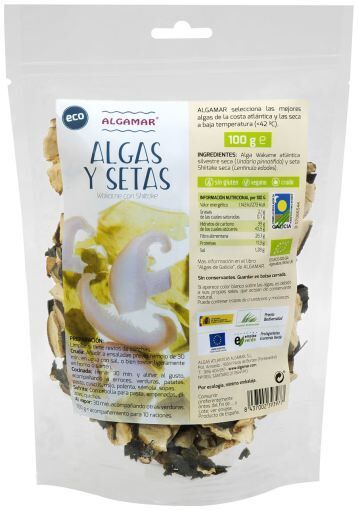
Algamar Algae and Mushrooms 100grNutrition and Supplements Prepared Dishes and Preserves Algamar Algae and Mushrooms 100gr Wild Atlantic Wakame algae (Undaria pinnatifida) and Shiitake mushroom (Lentinula edodes) How can we consume it? - Raw: add to salads after soaking for 20 minutes, or lightly toast in the oven or frying pan. - Cooked: boil for 20 minutes and season to taste, accompanying rice, vegetables, potatoes, pasta, couscous, millet, polenta, semolina, soups. - Sofrita: with onions for pasta, empanadas, pizzas, quiches. - Steamed: 20 minutes with other vegetables.8,02 £*Shipping: 3,99 £Secure redirect to the provider
-
All Categories Goods Magnetic Glass Cleaner, Aquarium Fish Tank Algae Brush Scrubber xlEfficient Cleaning for Your Aquarium The 1 pc of Aquarium Fish Tank Floating Magnetic Glass Cleaner is designed to simplify your aquarium maintenance. This easytouse tool effectively removes algae and dirt from the glass, ensuring clear and pristine...57,97 $*Shipping: 0,00 $Secure redirect to the provider
-
What types of algae eaters are there in fish?
There are several types of algae eaters in the fish world, including plecos, otocinclus catfish, Siamese algae eaters, and certain species of snails and shrimp. Plecos are known for their ability to consume large amounts of algae and are popular in freshwater aquariums. Otocinclus catfish are small, peaceful fish that are also effective at consuming algae. Siamese algae eaters are another popular choice for controlling algae in aquariums. Additionally, certain species of snails and shrimp, such as nerite snails and Amano shrimp, are also known for their algae-eating abilities. **
-
What are algae?
Algae are a diverse group of photosynthetic organisms that can be found in various aquatic environments such as oceans, lakes, and rivers. They can range in size from microscopic single-celled organisms to large multicellular seaweeds. Algae play a crucial role in the ecosystem as they are primary producers, converting sunlight into energy through photosynthesis. Additionally, algae are an important food source for many aquatic organisms and are also used by humans in various industries such as food, pharmaceuticals, and biofuels. **
-
Are algae prokaryotes?
No, algae are not prokaryotes. Algae are a diverse group of photosynthetic organisms that can be found in various environments, including freshwater and marine habitats. They are eukaryotic organisms, meaning they have a true nucleus and other membrane-bound organelles within their cells. This distinguishes them from prokaryotes, which lack a true nucleus and membrane-bound organelles. **
-
Are shells algae?
Shells are not algae. Shells are the hard outer coverings of certain animals, such as mollusks, that are made of calcium carbonate. Algae, on the other hand, are a diverse group of photosynthetic organisms that can range from single-celled to multicellular forms. Algae are not animals and do not produce shells. **
* All prices are inclusive of VAT and, if applicable, plus shipping costs. The offer information is based on the details provided by the respective shop and is updated through automated processes. Real-time updates do not occur, so deviations can occur in individual cases. ** Note: Parts of this content were created by AI.